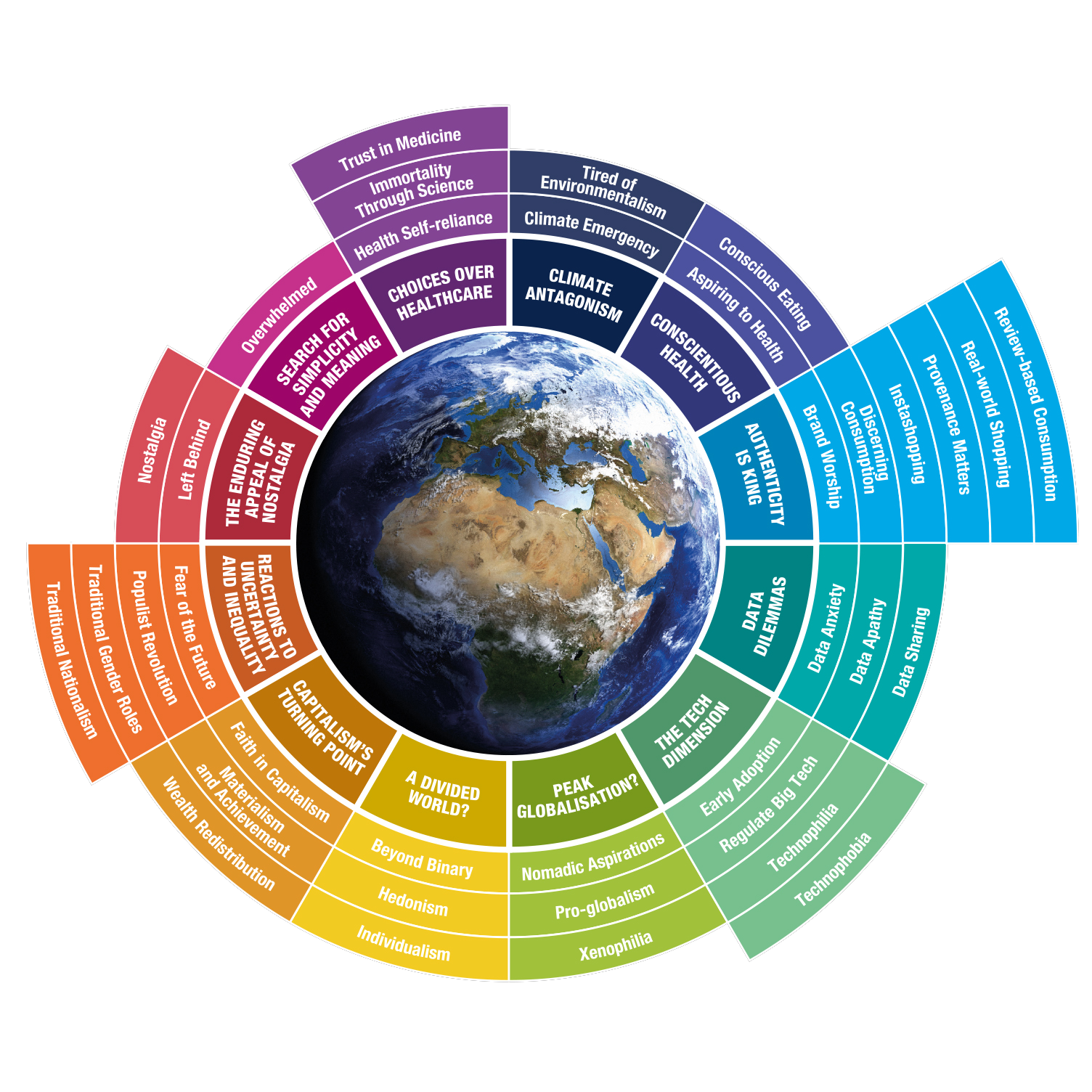
The World Is Evolving Rapidly- Major Trends Defining Life In The Years Ahead
A List Of The Top 10 Food And Nutrition Trends You Need To Know About In 2026/27Food is at a crossroads of science, culture economics and personal identity in a way only a few other aspects of everyday living can rival. Food choices, where it comes from, how it is made, and the effects it affects the body are all topics that draw increased attention with each passing year. The world of food and nutrition in 2026/27 is being shaped by scientific advancements, growing environmental awareness, evolving preferences of consumers as well as a growing technology industry that has identified food as one of the largest future transformation possibilities in the coming years. These are the top 10 food and nutrition trends that you have to be aware of in 2026/27.
1. Personalised Nutrition is a step from concept To Practice
The notion that the optimal diet will differ for different people by genetics, gut metabolism, microbiome composition and lifestyle factors has been gaining ground in study literature for a while. In 2026/27 the tools for implementing that notion are becoming more accessible than specialist athletic clinics, and even elite athletes. These platforms for the consumer that include genetic tests as well as continuous glucose monitoring microbiome analysis, as well as AI-driven recommendations for dietary changes are entering all-encompassing markets. The one-size fit-all nutritional guideline is not going away, but it is becoming more and more complemented by guidelines that are tailored to the individual rather than the common.
2. Gut Health Is Still The Most Important Part Of Mainstream Nutrition Theory
The gut microbiome or the vast community of microorganisms living within the digestive system has emerged as one of the most researched areas disciplines of nutrition and the findings continue to ripple outwards into how people think about what they eat. Studies linking gut health to physical wellbeing, immunity metabolic health, as well as diseases of inflammation have elevated fermented foods, dietary fibre as well as prebiotic and probiotic products from the health food store basics to a list of supermarket favorites. Understanding of gut health among consumers is only a fractional understanding and the market for supplements particularly is prone to over-proclaiming, however the research is firmly established and expanding.
3. Plant-based Eating Grows And Diversifies
The initial wave of plant-based meat substitutes which were developed to replicate the flavor and texture of traditional meat as close as is possible it has evolved into a broad range of. Whole food plant-based nutrition, which is built around legumes and vegetables grains, nuts, and seeds in less processed types, is growing in tandem with the ongoing development of more advanced alternative proteins. It is also changing the motivation behind it. Health outcomes, environmental impact, and animal welfare all are a factor commonly in combination. In 2026/27, plant-based food is less of a purely binary declaration and more of a broad spectrum that a larger portion of the population are engaged with to varying degrees.
4. Protein Demand Drives Innovation Across Multiple Categories
Protein has become the most highly valued macronutrient used in the food industry, and the race to meet the rising requirements for it is driving innovation across a wide array of products. Precision fermentation, which utilizes microorganisms for the production of animal proteins without the animal and animal products, is expanding. Insect protein that is currently battling massive cultural resistance in Western markets, has found acceptance in certain processed food applications. Proteins from algae, single-cells made from agricultural waste as well as the constant development of alternative legumes are all part of a diverse protein picture that reflects both the needs of the environment and commercial possibility.
5. Ultra-Processed Food Faces Growing Regulatory Pressure
The evidence linking the intake of food products that have been processed to diverse adverse health outcomes has increased to a point at which regulatory interventions are beginning. Warning labels, advertising restrictions especially targeting children, school food standards and public health programs specifically targeting ultra-processed eating habits are all gaining momentum in several countries. The food industry is responding by reformulation efforts of various sincerity, and consumer awareness of the ultra-processed food group is increasing, even if behavior change is difficult to attain. The direction for policy change is apparent, even if it's not always easy to predict.
6. Food Waste Reduction Becomes A Serious Priority
A quarter of all consumed food is either wasted or wasted, resulting in the most massive environmental, commercial ethical, and social failure. In 2026/27and beyond, addressing food waste is drawing serious attention from governments, retailers and food service providers, as well as technology developers. Dynamic pricing for food as it approaches its use-by date artificial intelligence-driven demand forecasting, which reduces the amount of food produced, apps for connecting surplus food with charitable organizations and consumers, as well as innovations in packaging to extend shelf life are all contributing to a significant shift. Consumers, being able to accept imperfect produce choosing meals more carefully and making use of food more effectively are easy actions which can have a significant impact at a scale.
7. Functional Foods & Beverages Go Mainstream
Products and beverages that offer specific health benefits other than essential nutrition have advanced beyond the health food aisle. Cognitive function and sleep quality, stress management, immune support and energy without the anxiety that comes with traditional stimulants are all targets for general food and drink items with adaptogens, nootropics and particular minerals and vitamins, and bioactive compounds. The distinction between food, supplements, and pharmaceuticals is getting blurred in a few categories, raising questions about evidence standards, regulatory oversight, and the degree that claims for functional properties are confirmed. The appetite of consumers, however, remains strong and doesn't seem to be slowing down.
8. Local And Regenerative Food Systems Attract Renewed Interest
Global food supply chains have shown some degree of fragility during recent episodes that were characterized by disruption. The response has seen a renewed attraction to shorter, robust locally-based food and nutrition systems. Farmers market, community-supported agricultural schemes and direct-to consumption food businesses have all risen. Alongside localism is regenerative agriculture methods of farming that aim to restore soil health, enhance biodiversity, as well as sequester carbon rather than merely sustaining yield, is attracting serious business and consumer interest. The challenge is scaling these approaches without losing what makes them valuable and this tension is one of the major issues that will be posed to the food system in the next decade.
9. AI And Technology Transform Food Production And Safety
Artificial intelligence is being applied across the food sector in ways that are beginning to show tangible results. Precision agriculture using AI-driven analysis of satellite images soil sensors, soil sensors and weather data is boosting yields while decreasing input usage. AI-powered food safety monitoring is detecting any quality or contamination problems faster than traditional inspection methods. In the process of developing products, AI is accelerating the recognition of novel flavors, ingredients or formulations that would have taken years to come up with through traditional trial and error. Food manufacturing is becoming increasingly technological in ways that aren't necessarily visible to consumers. However, they are creating new efficiency and ensuring safety across the entire supply chain.
10. Mindful And Intentional Eating Challenges Diet Culture
A significant cultural shift is taking place in the way people relate the food they eat psychologically. The long dominance of diet culture with its emphasis on restricting food intake, calorie counting, and moral judgments about food choices, is being overturned by practices that emphasize being attuned to hunger signals, pleasure, variety, and a non-punitive relationship with eating. The concept of mindful eating, intuitive eating practices, and broad rejection of restriction and guilt-based cycle are beginning to gain popular acceptance, especially among younger people who have grown up having more open and honest conversations regarding the link to disordered food and diet. This transition isn't without its own challenges, but it's a significant change in the way health and food are defined.
Food and nutrition in 2026/27 represent a world wrestling both with scarcity and abundance that is accompanied by extraordinary scientific possibilities as well as the impervious realities of habit, culture and economic limitations. These trends do NOT offer a single, coherent direction for the way that humanity eats however, they do point us in a direction: toward greater personalisation, greater environmental responsibility and a better relationship between the food we consume and how we feel about eating it. To find additional context, check out these trusted For more context, check out the most trusted eldiariocentral.net/ and get reliable reporting.

Ten Digital Commerce Shifts Transforming How We Shop Online In 2027
Online shopping has become regular in our lives that it's difficult to remember how long ago it was thought of as uninspiring or exclusive to certain types of merchandise. By 2026/27, the internet is not just a channel but an essential element of the way in which retail works, the ways brands are constructed, and how consumer expectations are constructed. The sector continues to evolve rapidly, driven by technology as well as shifting consumer preferences, intensifying competition, and the constant pressure on each company in the market to justify their place in an ever-more efficient market. Here are the ten major e-commerce trends that will change the way people shop online from 2026/27.
1. AI Personalisation Enhances Shopping Experience
The application of artificial intelligence to personalisation in e-commerce has moved much further than simple recommendation engines suggesting products on the basis of previous purchases. AI systems that are 2026/27 in the making are creating dynamic, real-time model of the individual's shopping preferences that change according to context, the time of day the device, browsing behavior, and signals from across the greater digital footprint. The result is an experience that feels real-time and not just generically specific. For businesses, the effect of sophisticated personalisation on conversion rates as well as the average value of orders and customer retention is significant enough to warrant AI investing in this field has become a competitive necessity rather than a distinct feature.
2. Social Commerce Becomes A Primary Discovery Channel
The ability to shop directly to Facebook and other social platforms has developed into a significant commerce channel by itself. Customers are researching, evaluating, and purchasing products while on their social feeds as a result of the creator's recommendations or shoppable content. live events in commerce that combine entertainment with direct buying. The approach, which was developed at great scale in China, is now firmly established through Western markets. The implications for brands has been that social interaction is not merely a brand recognition exercise, but a direct revenue stream that needs the same quality of business as every other aspect of the retailing process.
3. Ultra-Fast Delivery Rakes the Bar For Logistics
Expectations of customers regarding delivery speeds continue to grow. Delivery on the same day is becoming more common in cities and the need for reducing the distance between the time of order and receipt is bringing significant investment into fulfilment infrastructure, micro-warehousing positioned close to demand centres autonomous delivery vehicles and drone delivery services in the process of moving from trials to operational in an increasing number of locations. for smaller retail stores achieving the demands of customers on their own is becoming increasingly difficult, leading to consolidation around fulfilment networks as well as third-party logistics service providers that can meet the infrastructure requirements. The environmental impacts of rapid deliveries are coming under more scrutiny, along with the commercial rivalries.
4. Recommerce and The Circular Economy Reshape Retail
The market for secondhand, refurbished, and pre-owned items expands faster than new retail across many categories of products. Consumer appetite for lower prices and a lower environmental footprint and the appeal products that are no longer available new is driving the growth of peer-to?peer marketplaces for resales, brands-operated recommerce programs, and specialists in the field of fashion, furniture, electronics and sporting items. Major brands put money into resale and refurbishment services in order to make money from secondary markets, and to build relationships with their customers who are purchasing second-hand goods over new. The stigma that was previously associated with purchasing secondhand items across many types has decreased significantly in younger consumers.
5. Augmented Reality Limits The Uncertainty Of Online Shopping
One of the major drawbacks of online purchasing compared to physical retail has been the inability to evaluate an item before buying. Augmented Reality is working to address this in certain categories, and has enough maturity to have an impact on purchasing behaviors and returns in a significant manner. Trying on eyewear, clothing and even cosmetics through virtual reality, placing furniture and home accessories in real rooms by using a smartphone camera and studying products at a true scale prior to purchase can all be done by changing from impressive demos into common features across major platforms as well as brand sites. The categories in which fit, scale, and look in the context are having the most significant impacts on conversions and return.
6. Subscription Commerce goes beyond convenience
Subscription models in e-commerce have progressed beyond the simple notion of regular replenishment consumables. The most successful subscriptions in 2026/27 have been built around curation, community, and ongoing value which justifies regular payments instead of the locks-in techniques that were common in earlier models. The consumers have become more sophisticated about evaluating subscription value and cancellation rates target providers that rely on inertia rather than genuine ongoing benefit. For retailers, the benefits that come with subscriptions, such as greater annual value, predictable revenues and deeper customer relationships are still compelling when the underlying value proposition is compelling enough to attract real loyalty.
7. The cross-border nature of E-Commerce is growing and becoming more complex
The ability to purchase from sellers anywhere in the world has opened up huge market opportunities and equally significant operational difficulties relating to customs taxes, returns, localisation and consumer protection compliance. It is becoming more popular as retailers and both consumers expand their reach beyond domestic markets, however the regulatory complexity is increasing at the same time, with a greater number of governments implementing digital-related taxes or product safety requirements and consumer rights guidelines that apply specifically to foreign sellers. Retailers that have succeeded in cross-border markets are those who invest in the localisation, compliance infrastructure, as well as the logistics infrastructure that international retail demands.
8. Voice And Conversational Commerce Find Their Use in a variety of cases
Voice-based purchasing, long touted as a transformational channel that was never able to meet the expectations has gained more growth in certain, well-defined instances of use. Reordering frequently purchased consumables including items to shopping lists, or monitoring order status are just a few things where voice-based interaction can provide true convenience advantages over screens-based alternatives. Artificially-powered chat assistants, which operate through chat interfaces instead than through voice, are becoming more versatile, helping consumers navigate difficult purchase decisions that require comparison of choices, and receive personalised recommendations using a dialogue format that works better over traditional browse and search.
9. Sustainability Claims Are More Scrutinized And Regulation
Consumer interest in the sustainability and ethical credentials of shopping online is high, but so is scepticism about the claims about sustainability that companies make. Greenwashing regulation is tightening significantly across major markets, and includes demands for evidence-based claims, transparent labelling and disclosure about practices in the supply chain that can make ambiguous sustainability marketing legally perilous. Retailers who have made genuine environmental upgrades to their supply chains and operations are discovering that demonstrably verifiable sustainability credentials are becoming an important business differentiation to the growing group of customers who are ready for action based on their stated environmental priorities when credible information can be found to support their decisions.
10. Payment Innovation Continues To Reduce Friction
The checkout experience is historically one of the primary causes of abandoning your basket in the world of e-commerce is improving with the help of new payment technologies that cut down on friction during the final and essential commercial stage of the purchase experience. Pay-as-you-go has become more mature and is now facing greater regulatory scrutiny around prices and transparency. Digital wallets are now an accepted method of payment for a growing percentage of transactions made online. The biometric security is replacing passwords and card information entry in a myriad of ways. One-click purchases, embedded payments within social and mobile apps and the continuing expansion of banking-based options for payment are all contributing to a shopping experience which is more efficient, faster, secure more reliable, and much less likely lose the customer in the final seconds.
In 2026/27, e-commerce will be more sophisticated, competitive, and more important for the entire retail market than ever before. These trends suggest the direction of growth that rewards retailers who make a serious investment in customer experience, efficiency, and genuine value creation ahead of those that rely on monopolies, information imbalances, or lock-in mechanism that customers are more adept at understanding and avoiding. The landscape of online shopping continues to change rapidly, and the difference between where it stands today and where it's likely to be in the next five years could be just as shocking than the amount of distance traveled. To find further information, check out these respected buzzlayer.org/ for more reading.